Fruits and vegetables
Buy fresh food at the market and ask for prices
Context
Listen to the dialogue. Tap the speaker to hear each line.
Vendedora
¡Buenos días! ¿Qué le gustaría comprar hoy? Tenemos frutas muy frescas.
Good morning! What would you like to buy today? We have very fresh fruit.
Cliente
Quisiera un kilo de manzanas, por favor. ¿Cuánto cuesta el kilo?
I would like a kilo of apples, please. How much does the kilo cost?
Vendedora
Las manzanas están a mil quinientos pesos el kilo. Son dulces y están muy buenas.
The apples are fifteen hundred pesos a kilo. They are sweet and very good.
Cliente
Perfecto, me llevo un kilo. También quiero medio kilo de tomates y dos aguacates maduros.
Perfect, I'll take a kilo. I also want half a kilo of tomatoes and two ripe avocados.
Vendedora
Los tomates están a ochocientos y los aguacates a novecientos cada uno.
The tomatoes are eight hundred and the avocados are nine hundred each.
Cliente
Está bien. ¿Tiene plátanos? Quiero unos para preparar un batido.
OK. Do you have bananas? I want some to make a smoothie.
Vendedora
Sí, aquí tiene. Son de Ecuador y están muy maduros.
Yes, here you go. They are from Ecuador and very ripe.
Cliente
En total, ¿cuánto le debo? ¿Acepta tarjeta o solo efectivo?
In total, how much do I owe you? Do you accept card or only cash?
Practice the dialogue
Choose a role. You'll hear my line and then record yours, automatically, turn by turn.
I'll practice the role of:
Dialogue recorded! Press play to hear the full conversation.
Choose your role to start
Vocabulary
Save the words you find hard to review them in your dashboard.
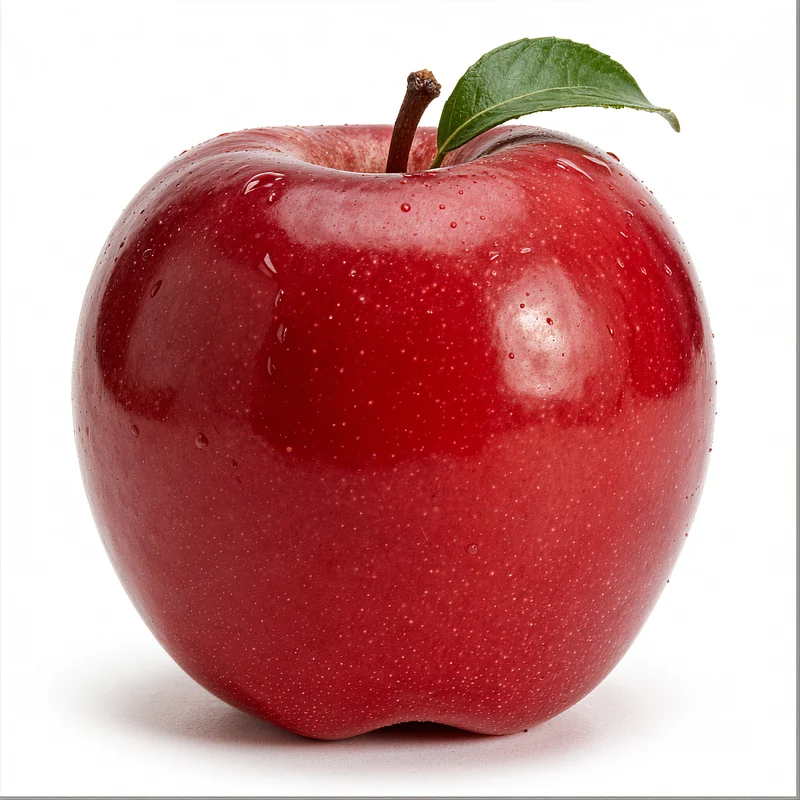
la manzana
Quiero un kilo de manzanas.
'Manzana' is the apple. A kilo is the standard way to buy fruit in Latin America.
the apple
Save
el plátano
Los plátanos están maduros.
In some countries they say 'banana' or 'guineo'. 'Plátano' is the most neutral.
the banana
Save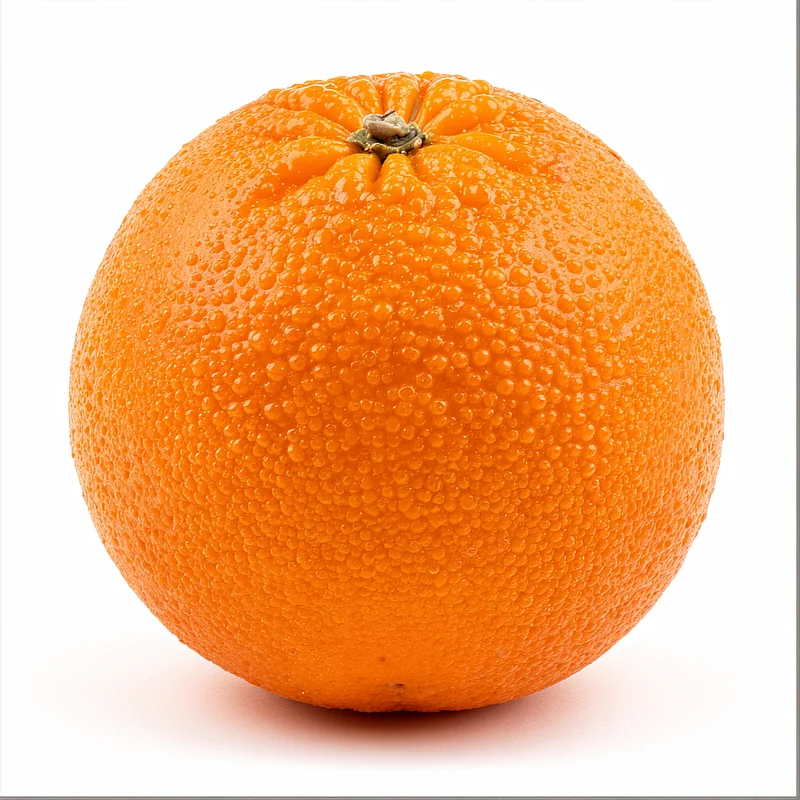
la naranja
Un jugo de naranja, por favor.
'Jugo' is juice; in Spain they say 'zumo'.
the orange
Save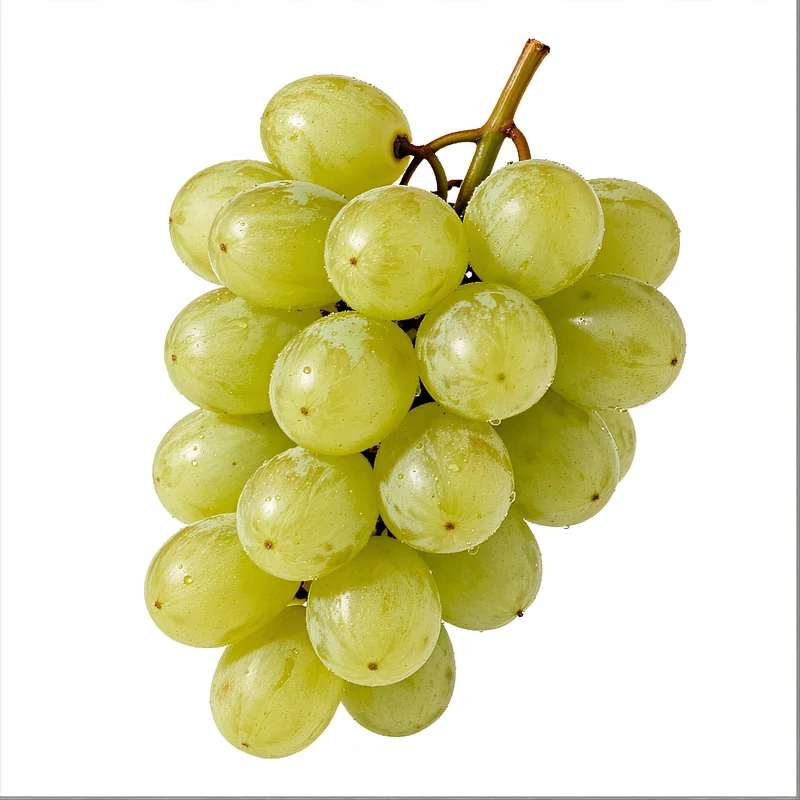
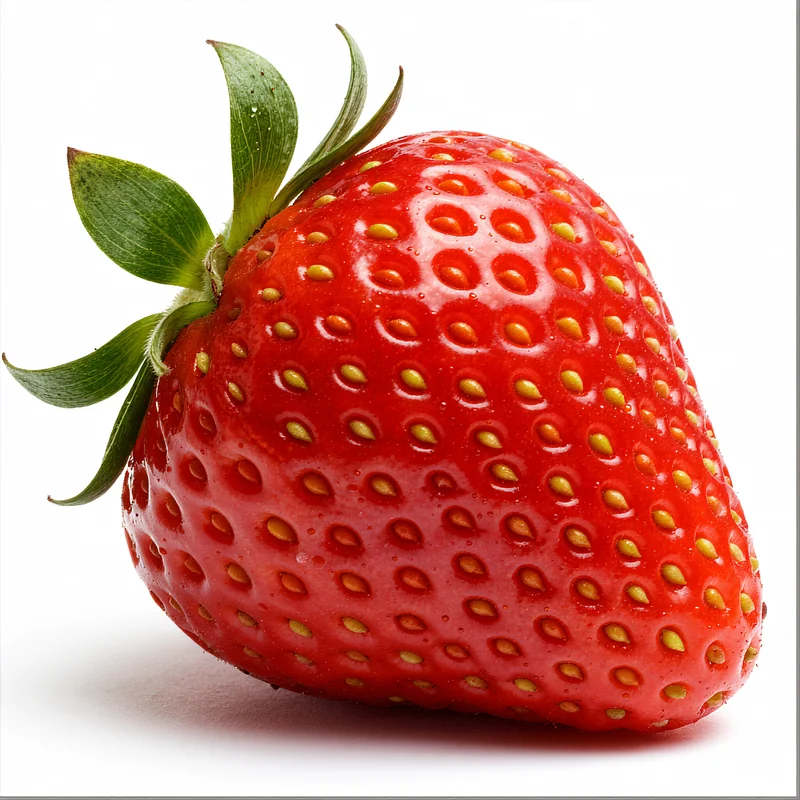
la fresa
Me gustan las fresas con crema.
In Mexico they say 'fresa'; in some countries 'frutilla'.
the strawberry
Save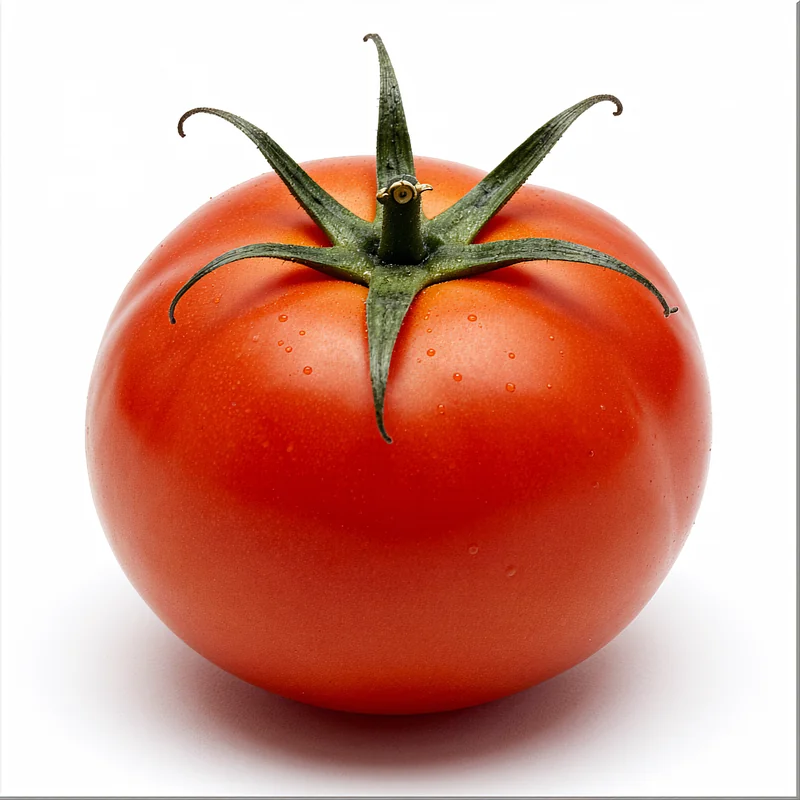
el tomate
Compro tomates para la ensalada.
'Tomate' is masculine: el tomate, los tomates.
the tomato
Save
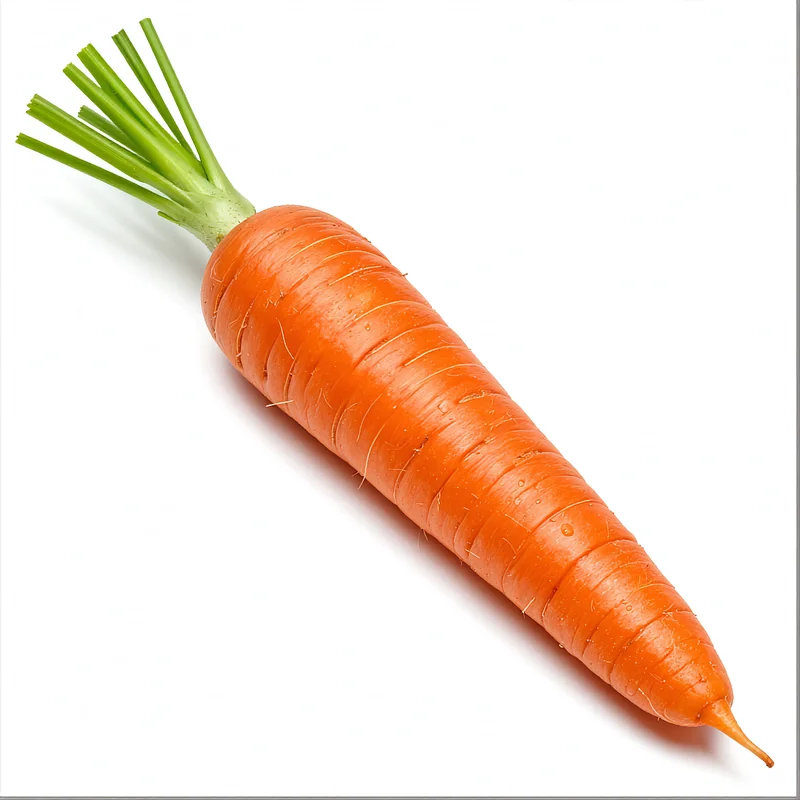
la zanahoria
Las zanahorias son buenas para la vista.
A very common vegetable in soups and salads.
the carrot
Save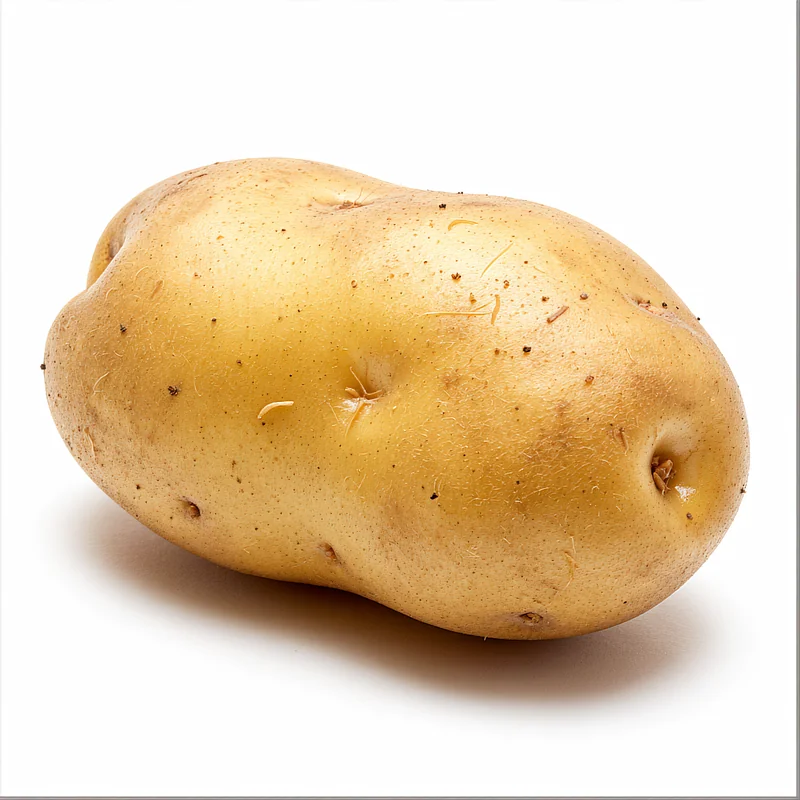
la papa
Quiero papas fritas, por favor.
In Spain they say 'patata'. In Latin America it's 'papa'.
the potato
Save
el aguacate
El aguacate está muy bueno.
Chile and Argentina say 'palta'. 'Aguacate' is neutral.
the avocado
SaveGrammar in 1 minute
Quisiera... (I would like)
'Quisiera' is a polite way to say 'I would like'. It works for any product and sounds friendly with street vendors. Use it with a noun: 'Quisiera un kilo de manzanas'.
Quisiera un kilo de manzanas. Quisiera dos aguacates. Quisiera medio kilo de uvas.
'Quisiera' is more polite than 'quiero'. Both are fine at the market.
¿Cuánto cuesta...? / ¿Cuánto cuestan...?
Use '¿Cuánto cuesta?' for singular items and '¿Cuánto cuestan?' for plural items. The verb agrees with the thing you are asking about.
¿Cuánto cuesta el kilo? ¿Cuánto cuestan los tomates?
Listen for the verb ending: -a for singular, -an for plural.
Weights and quantities
Buying by weight is normal: 'un kilo' (one kilo), 'medio kilo' (half a kilo), 'dos kilos'. For pieces: 'una docena' (a dozen) or just a number: 'dos aguacates'.
Un kilo de manzanas. Medio kilo de tomates. Tres plátanos.
'Medio kilo' means half a kilo; 'un kilo y medio' means one and a half kilos.
Interactive practice
Each exercise is checked instantly. You need an account to save your progress.
What does she buy first?
Listen and choose the first thing the customer asks for.
What does the customer want first?
Ask the price
Write the missing word to ask for the price.
Accents optional: write "como estas" and it works.
Match fruit to word
Connect each Spanish word with its English meaning.
Order at the market
Write a polite sentence asking for a kilo of tomatoes.
You are at the market. Politely ask for a kilo of tomatoes.
Suggested answer: Quisiera un kilo de tomates.
Repeat the price question
Listen, pause and repeat out loud with a friendly tone.
¿Cuánto cuesta el kilo de manzanas?
How much does the kilo of apples cost?
Listen, pause and repeat out loud. Repeat 3 times until it sounds natural.
Pronunciation trainer
Final quiz
Score 70% or more to unlock the next lesson. You can retake it as many times as you want; your best score is saved.